Short Answer
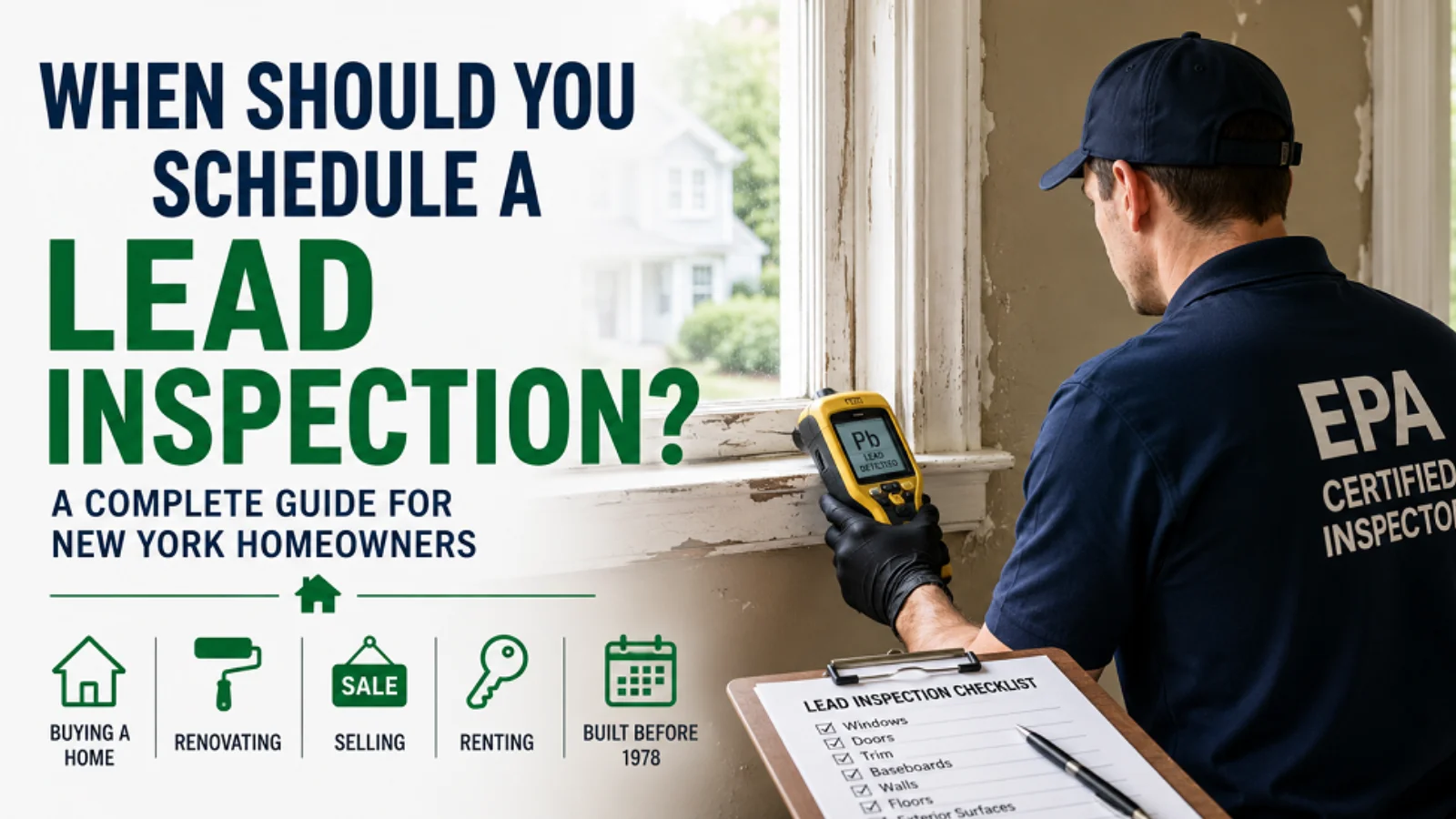
If your home was built before 1978, you should consider scheduling a professional lead inspection before buying, selling, renovating, renting, or if you notice peeling or damaged paint. A lead inspection helps identify lead-based paint and potential hazards so you can make informed decisions, protect your investment, and plan any necessary repairs safely.
Introduction
Many homeowners are surprised to learn that lead-based paint is still found in thousands of homes across New York. Although residential lead-based paint was banned in 1978, houses built before then may still contain original painted surfaces beneath newer coats of paint.
For many people, lead isn’t something they think about until they’re buying a home, planning a renovation, or preparing to sell a property. Unfortunately, that’s often when they discover that a standard home inspection doesn’t necessarily identify lead hazards.
Knowing when to schedule a lead inspection can save time, reduce unexpected expenses, and provide valuable information before major decisions are made. Whether you’re a first-time homebuyer, landlord, contractor, or real estate professional, understanding the right time for lead testing can help you better protect both your property and the people who live in it.
This guide explains when a lead inspection makes sense, the difference between a Lead-Based Paint Inspection and a Lead Risk Assessment, and what you can expect during the inspection process.
What Is a Lead Inspection?
A lead inspection is a specialized environmental evaluation performed to determine whether lead-based paint is present in a property or whether lead hazards currently exist.
Unlike a traditional home inspection, which focuses on the overall condition of the house—including roofing, plumbing, HVAC, electrical systems, and structural components—a lead inspection concentrates specifically on identifying lead-related hazards.
Professional lead inspectors use specialized equipment and approved testing methods to examine painted surfaces and, when appropriate, collect samples for laboratory analysis.
The purpose of a lead inspection is not simply to find lead paint. It is to help property owners understand whether lead is present, where it is located, and whether it could become a hazard now or in the future.
When Should You Schedule a Lead Inspection?
Many homeowners assume lead testing is only necessary when purchasing an older home. In reality, there are several situations where scheduling a lead inspection is a smart decision.
Before Buying a Home
Buying a home is one of the most common reasons homeowners request lead testing.
If the property was built before 1978, there is a possibility that lead-based paint remains on interior or exterior surfaces.
A professional lead inspection before closing can help you:
- Identify hidden lead paint
- Understand future maintenance needs
- Plan renovation projects safely
- Avoid unexpected environmental concerns after purchase
For buyers searching for lead testing before buying a home, this inspection provides valuable information that is not typically included in a standard home inspection.
Before Selling a Home
Home sellers also benefit from understanding whether lead paint is present.
Having documented inspection results can help answer buyer questions, reduce uncertainty during negotiations, and demonstrate that you have taken reasonable steps to understand your property’s condition.
While testing may not always be required, many sellers appreciate having accurate information available before listing their homes.
Before Renovating an Older Home
Renovation is one of the most important times to schedule a lead inspection.
Activities such as sanding, scraping, cutting, drilling, or demolition can disturb old painted surfaces and create fine lead-contaminated dust.
Knowing whether lead paint is present before work begins allows homeowners and contractors to plan renovations more safely and avoid unnecessary disruptions.
If your home was built before 1978, lead inspection before renovation is worth considering.
After Discovering Peeling or Chipping Paint
Paint that is cracking, peeling, blistering, or deteriorating deserves attention.
Damaged paint increases the chance that lead-containing dust may be released if lead-based paint is present.
Instead of assuming the paint is harmless, consider having the affected areas professionally evaluated.
Before Renting an Older Property
Landlords who own older rental properties should understand whether lead hazards may exist.
Knowing the condition of painted surfaces allows property owners to make informed maintenance decisions and helps reduce future surprises.
Routine inspections can also help identify deteriorating paint before it becomes a larger issue.
When Living in a Home Built Before 1978
Even if you are not buying or renovating, simply living in an older home can be a reason to consider testing.
Many New York homes still contain original doors, trim, windows, baseboards, and exterior siding that may have been painted decades ago.
Professional testing helps determine whether those materials contain lead-based paint and whether additional evaluation is appropriate.
Lead-Based Paint Inspection vs. Lead Risk Assessment
This is one of the most common questions homeowners ask.
Although the names sound similar, they serve different purposes.
An EPA-certified inspector may perform one or both services depending on the property’s condition and your goals.
Lead-Based Paint Inspection
A Lead-Based Paint Inspection is designed to determine whether lead-based paint exists anywhere in the home.
The inspection typically evaluates:
- Interior painted walls
- Exterior painted surfaces
- Windows
- Doors
- Trim
- Ceilings
- Baseboards
- Railings
- Siding
- Other painted building components
Its primary purpose is to answer one question:
“Does this home contain lead-based paint?”
This type of inspection is often requested before purchasing older homes or before planning major renovations.
Lead Risk Assessment
A Lead Risk Assessment goes a step further.
Rather than simply identifying where lead paint exists, it evaluates whether there are active lead hazards that may require attention.
A lead risk assessment may include:
Dust wipe sampling
Soil sampling
Evaluation of deteriorated paint
Identification of exposure risks
Its primary purpose is to answer:
“Is there an active lead hazard that requires remediation or corrective action?”
For homes with damaged paint, young children, or ongoing renovation work, a lead risk assessment may be the more appropriate choice.
Comparison
| Feature | Lead-Based Paint Inspection | Lead Risk Assessment |
| Purpose | Locate lead-based paint | Identify active lead hazards |
| Tests | XRF testing, paint identification | Dust, soil, deteriorated paint evaluation |
| Best For | Buyers, sellers, renovations | Homes with potential exposure concerns |
| Results | Identifies where lead paint exists | Identifies whether hazardous conditions currently exist |
What Happens During a Professional Lead Inspection?
Although every property is different, most professional inspections follow a similar process.
1. Property Walkthrough
The inspector begins by reviewing the property and identifying areas likely to contain older painted materials.
2. Visual Inspection
Painted surfaces are examined for wear, deterioration, moisture damage, or previous repairs.
3. XRF Testing
Many inspectors use an X-Ray Fluorescence (XRF) analyzer to detect lead beneath painted surfaces without causing unnecessary damage.
4. Paint Sampling
If appropriate, small paint samples may be collected and submitted to an accredited laboratory.
5. Dust Sampling
Dust wipe samples may be collected from floors, window sills, and other high-contact areas to evaluate possible lead dust.
6. Soil Testing
Older homes sometimes require soil sampling around foundations, gardens, or children’s play areas.
7. Water Testing (If Requested)
Some homeowners request drinking water testing if older plumbing materials are present.
8. Laboratory Analysis
Collected samples are analyzed by certified laboratories using established testing procedures.
9. Final Report
The inspection concludes with a written report summarizing findings, testing methods, sample results, and recommendations.
Would you like to get more information? What Happens During a Lead Inspection?
Common Areas Inspectors Test
Professional inspectors commonly evaluate:
- Windows
- Doors
- Interior trim
- Baseboards
- Stair railings
- Window sills
- Floors
- Exterior siding
- Porches
- Garages
- Crown molding
- Decorative woodwork
These areas often experience frequent wear and may contain original paint layers.
Why Lead Inspections Matter in the Hudson Valley
The Hudson Valley is known for its beautiful historic homes, charming neighborhoods, and older residential communities.
Across Westchester County, Rockland County, Orange County, and Dutchess County, many homes were built decades before lead-based paint was prohibited in residential construction.
That doesn’t mean every older home contains hazardous lead conditions. However, it does mean homeowners should make informed decisions before buying, selling, or renovating these properties.
Professional lead testing Hudson Valley NY services help homeowners better understand their property’s condition and plan future maintenance with confidence.
Why Professional Lead Testing Matters
Experience
Environmental consultants who regularly inspect older New York homes understand where lead paint is most commonly found and the challenges associated with aging building materials.
Expertise
Modern lead inspections rely on advanced tools such as XRF analyzers, laboratory-certified paint analysis, and dust wipe sampling. These methods provide reliable results that are generally more comprehensive than over-the-counter test kits.
Authoritativeness
Professional inspectors follow recognized inspection practices and often reference guidance developed by the U.S. Environmental Protection Agency (EPA) and other established industry standards. Using documented procedures helps ensure consistent and dependable evaluations.
Trustworthiness
A professional inspection report provides clear, objective findings that homeowners, buyers, sellers, landlords, and real estate professionals can use when making important property decisions.
Frequently Asked Questions
When should I schedule a lead inspection?
The best time is before buying, selling, renovating, renting, or occupying an older home built before 1978. Scheduling an inspection early provides valuable information before major financial or construction decisions are made.
What is the difference between a lead inspection and a lead risk assessment?
A lead-based paint inspection determines whether lead paint is present throughout a property. A lead risk assessment evaluates whether active hazards—such as lead dust, deteriorating paint, or contaminated soil—currently exist and may require attention.
Is lead testing required before buying a home?
Lead testing is not always required during a home purchase, but many buyers choose to have an inspection for homes built before 1978. It provides valuable information that complements a standard home inspection.
Can lead paint be hidden under newer paint?
Yes. Many older homes have been repainted over the years. Lead-based paint can remain beneath newer paint layers and may only be identified through professional testing.
How long does a lead inspection take?
Most residential lead inspections take between one and four hours, depending on the size of the property and the scope of testing. Laboratory analysis, if needed, may require additional time.
How much does lead testing cost?
The cost varies depending on the property’s size, the type of inspection, and whether laboratory sampling is required. Homeowners should request a detailed estimate based on their specific needs.
Should I test before renovation?
Yes. Renovation activities can disturb painted surfaces and generate lead-containing dust if lead paint is present. Testing beforehand helps homeowners and contractors plan projects more safely.
Final words
Knowing when to schedule a lead inspection can make a significant difference when buying, selling, renovating, or maintaining an older home. The right inspection at the right time helps identify potential concerns before they become expensive or disruptive.
Understanding the difference between a Lead-Based Paint Inspection and a Lead Risk Assessment also makes it easier to choose the service that best fits your situation. If your goal is to determine whether lead paint exists throughout a property, a lead-based paint inspection may be appropriate. If you are concerned about current exposure risks from deteriorating paint, dust, or soil, a lead risk assessment may provide the information you need.
For homeowners, landlords, contractors, and real estate professionals across New York, professional lead testing offers practical insights that support informed decisions and long-term property care.
Hudson Valley Environmental LLC provides fast, reliable, and affordable lead testing and inspections across the Mid and Lower Hudson Valley NY.