Buying a home is one of the biggest financial decisions most people make. In New York, especially in areas like the Hudson Valley where many homes are older or located near rivers, moisture and humidity can sometimes lead to mold problems. Because of this, many home buyers ask an important question: Is mold testing required when buying a home in New York?
The short answer is no—mold testing is not legally required in most real estate transactions in New York. However, that doesn’t mean it isn’t important. In many situations, mold inspection or mold testing can protect buyers from costly surprises after closing.
This article explains when mold testing is recommended, how it works, and why many buyers choose to include it as part of their home inspection process.
Understanding Mold in Homes
Mold is a type of fungus that grows in damp environments. It can develop indoors when moisture accumulates in areas such as basements, bathrooms, attics, or behind walls.
Common causes of mold growth in homes include:
- Water leaks from plumbing or roofs
- Poor ventilation in bathrooms or kitchens
- Basement flooding or moisture intrusion
- Condensation from HVAC systems
- High indoor humidity levels
In regions like Westchester County, Rockland County, Orange County, and Dutchess County, seasonal humidity and older building structures can sometimes create ideal conditions for mold growth.
Because mold often grows in hidden areas, it may not always be visible during a standard home inspection.
Is Mold Testing Legally Required in New York?
In New York State, mold testing is generally not required by law during a real estate transaction. Home inspections typically focus on structural components, electrical systems, plumbing, roofing, and general safety concerns.
However, mold testing may be recommended if:
- The home inspector notices signs of moisture or water damage
- There is a visible mold growth inside the home
- The property has a history of flooding or leaks
- The buyer wants additional environmental testing
Some lenders, insurance providers, or property managers may also request mold inspection in specific situations, but this is not standard for every home purchase.
Why Mold Testing Can Still Be Important
Even though mold testing is not legally required, it can provide valuable information about a property before you finalize the purchase.
Here are several reasons buyers in New York often choose to schedule mold testing.
1. Hidden Mold Is Common in Older Homes
Many homes in the Hudson Valley and surrounding areas were built decades ago. Older homes may have
experienced:
- roof leaks
- plumbing repairs
- basement moisture
- past flooding
These issues can lead to mold growth that is not always visible.
A professional mold inspection can help identify potential concerns before they become a costly problem.
2. Mold Can Affect Indoor Air Quality
Mold spores can travel through the air inside a home. In some cases, high mold levels may affect indoor air quality.
Some people may experience symptoms such as:
- nasal congestion
- coughing or throat irritation
- allergies
- respiratory discomfort
While not everyone is sensitive to mold, testing can help determine whether mold levels inside a home are within a normal range.
3. Repair Costs Can Be Expensive
If mold problems are discovered after purchasing a home, remediation costs can add up quickly.
Depending on the size of the affected area, mold removal and repairs may involve:
- removing drywall or insulation
- cleaning HVAC systems
- repairing water damage
- improving ventilation
Having a mold inspection before closing can help buyers negotiate repairs or price adjustments if needed.
When Mold Testing Is Most Recommended
While not required, mold testing is often recommended in certain situations.
Consider mold testing if:
- The home has a musty odor
- Water stains are visible on walls or ceilings
- The basement shows signs of dampness
- The home inspector notes possible moisture issues
- The property experienced previous flooding
- The home has been vacant for a long time
In these cases, testing can provide additional peace of mind.
Mold Inspection vs. Mold Testing
Many buyers use the terms mold inspection and mold testing interchangeably, but they are slightly different.
Mold Inspection
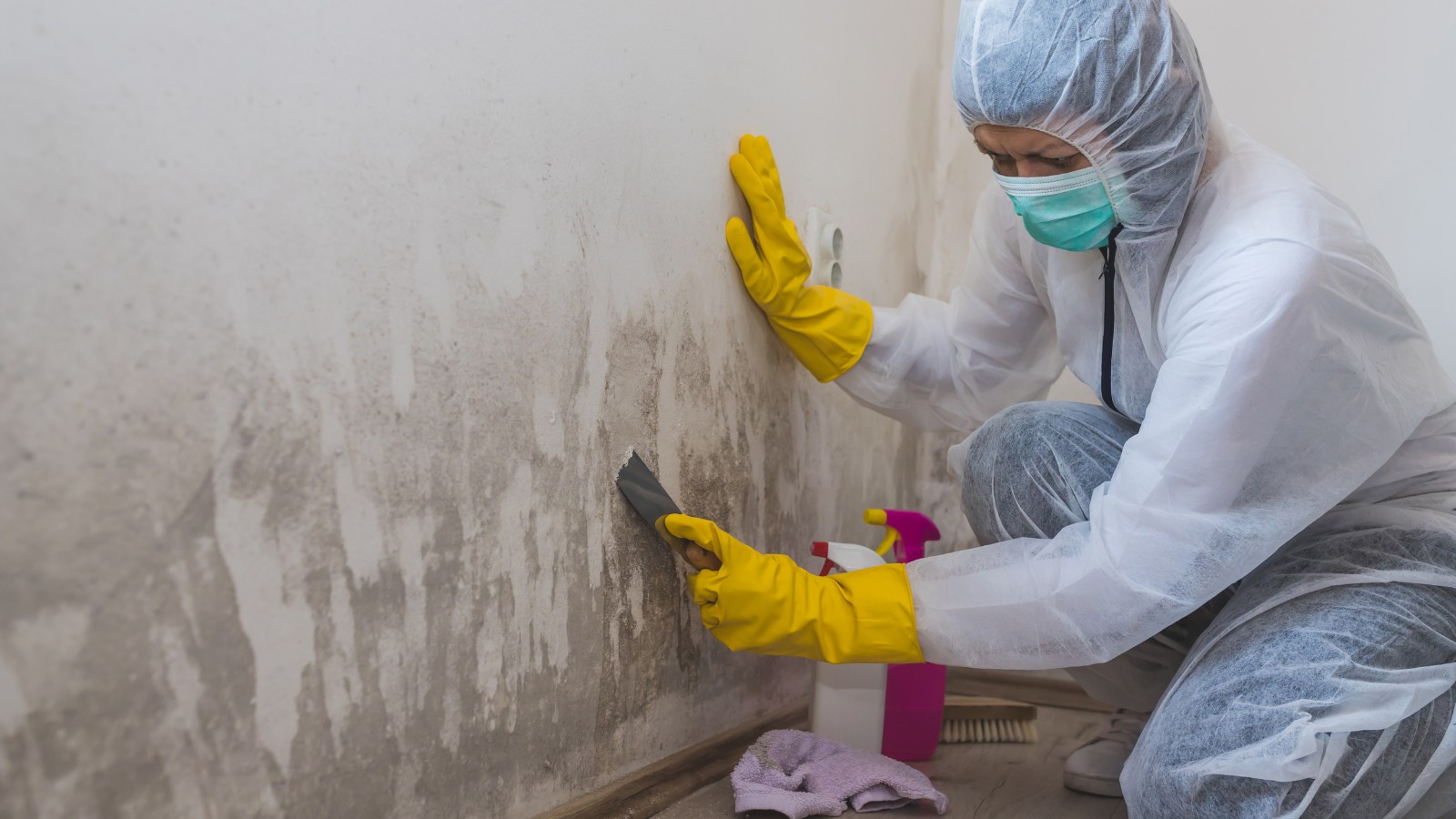
A mold inspection typically involves:
- visual examination of the home
- checking for moisture sources
- identifying areas prone to mold growth
Inspectors often examine areas such as:
- basements
- attics
- crawlspaces
- bathrooms
- HVAC systems
Mold Testing
Mold testing usually involves collecting samples to determine mold spore levels.
Common types of mold testing include:
- Air sampling – measures mold spores in indoor air
- Surface sampling – tests suspected mold growth on surfaces
- bulk sampling – analyzes building materials for mold presence
Samples are typically sent to a laboratory for analysis.
What Happens During Mold Testing?
Professional mold testing is usually a straightforward process.
The inspection may include the following steps:
- Initial Assessment
The inspector reviews the property and identifies areas of concern. - Moisture Detection
Moisture meters or thermal imaging tools may be used to detect hidden moisture. - Air Sampling
Air samples may be taken inside the home and compared with outdoor samples. - Surface Sampling (if needed)
Suspected mold areas may be tested. - Laboratory Analysis
Samples are sent to an accredited lab for identification. - Detailed Report
The buyer receives a report explaining the findings.
This report can help buyers understand whether mold levels are normal or require attention.
How Much Does Mold Testing Cost in New York?
The cost of mold testing in New York varies depending on the size of the home and the number of samples required.
Typical price ranges may include:
- Basic mold inspection: $250 – $400
- Air sampling tests: $75 – $150 per sample
- Full mold testing packages: $400 – $700+
Prices may vary based on location, property size, and inspection complexity.
Compared to potential mold remediation costs, testing is often considered a reasonable investment.
Mold Disclosure Requirements in New York
New York State requires sellers to complete a Property Condition Disclosure Statement in most residential real estate transactions.
This document asks sellers to disclose known issues related to the property, including:
- water damage
- flooding history
- structural problems
However, the disclosure form may not always reveal hidden mold problems if the seller is unaware of them.
This is another reason buyers sometimes request independent mold inspection.
Tips for Home Buyers in New York
If you are purchasing a home in New York, consider the following practical tips.
Before Closing on a Property
- Hire a qualified home inspector
- Ask about any signs of moisture or water damage
- Consider mold testing if moisture issues are suspected
During the Inspection
Look for warning signs such as:
- musty odors
- water stains
- warped flooring
- visible mold spots
- condensation around windows
After Receiving the Mold Report
If mold is detected:
- ask the seller to repair the issue
- negotiate repair costs
- consult a remediation professional if necessary
Taking these steps can help prevent future problems.
Why Mold Testing Is Common in the Hudson Valley, NY
In the Mid and Lower Hudson Valley region, certain environmental factors make mold inspection more common.
These include:
- older homes built before modern ventilation standards
- basements in hillside properties
- humid summer conditions
- seasonal flooding near rivers and streams
Because of these conditions, mold testing is often recommended when purchasing homes in cities such as:
- Yonkers
- New Rochelle
- Mount Vernon
- Poughkeepsie
- Newburgh
- White Plains
A professional inspection can provide valuable information before making a long-term investment.
Final Thoughts
While mold testing is not legally required when buying a home in New York, it can be a smart step for many buyers. Mold issues are not always visible during a standard home inspection, and testing can help identify potential problems before the purchase is finalized.
For buyers who want greater confidence in their investment, mold inspection provides an additional layer of protection.
Understanding the condition of a home—including its indoor air quality and potential moisture issues—can help prevent unexpected expenses and ensure a safer living environment.
Professional Mold Testing in the Hudson Valley
If you are purchasing a home and want to check for potential mold issues, professional inspection can provide clear answers.
Hudson Valley Environmental LLC provides fast, reliable, and affordable mold testing across the Mid and Lower Hudson Valley NY, schedule an inspection.
Their services help home buyers, property owners, and real estate professionals better understand indoor environmental conditions before making important decisions.