Is a Sewer Line Inspection Necessary? A Complete Guide for Homeowners and Home Buyers
Quick Answer:
Yes, a sewer line inspection is often a worthwhile investment, especially if you are buying an older home, experiencing recurring plumbing issues, or planning major renovations. A sewer scope inspection can identify hidden problems such as cracks, tree root intrusion, pipe corrosion, blockages, or collapsed sewer lines before they become expensive repairs. For many New York homeowners, a professional sewer line inspection provides valuable information that a standard home inspection does not.
Why Sewer Line Inspections Matter
As an environmental consultant, one of the most common misconceptions I hear from homeowners is, “If the drains are working, the sewer line must be fine.”
Unfortunately, that isn’t always true.
The sewer line is one of the few critical systems in a home that remains completely hidden underground. Unlike a roof leak or damaged siding, sewer problems often develop gradually and may not become obvious until significant damage has already occurred.
A damaged sewer line can lead to:
- Sewage backups
- Slow or recurring drain problems
- Foul odors inside or outside the home
- Costly excavation and repairs
- Property damage
- Health concerns from wastewater exposure
Because these issues are hidden from view, many homeowners never realize a problem exists until it becomes an emergency.
What Is a Sewer Line Inspection?
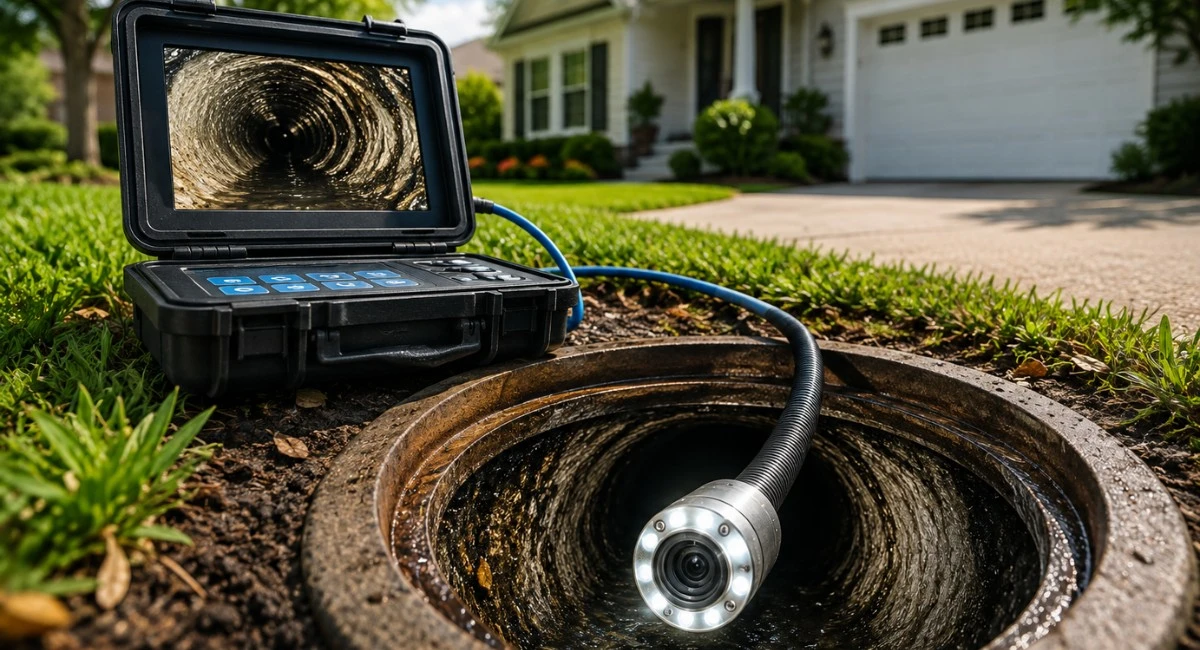
A sewer line inspection, often called a sewer scope inspection, uses a waterproof, high-resolution camera attached to a flexible cable that is inserted into the property’s main sewer line.
The camera travels through the pipe while recording video, allowing the inspector to evaluate the condition of the entire sewer system without digging.
The inspection provides a clear picture of what’s happening inside underground pipes, helping identify defects before they become major problems.
Is a Sewer Line Inspection Necessary?
The answer depends on the property’s age, condition, and history—but in many situations, yes.
A standard home inspection typically evaluates visible systems such as the roof, foundation, HVAC, electrical, and plumbing fixtures. However, inspectors generally cannot determine the condition of underground sewer lines because they are not visible.
That’s where a sewer scope inspection becomes valuable.
Professional inspections frequently uncover problems that homeowners never knew existed, including:
- Tree root intrusion
- Broken or cracked pipes
- Offset pipe joints
- Pipe corrosion
- Grease buildup
- Debris blockages
- Bellied (sagging) sewer lines
- Partial pipe collapse
Finding these issues early often prevents emergency repairs that can cost several thousand dollars.
Should I Get a Sewer Line Inspection Before Buying a Home?
In my experience advising home buyers throughout New York, the answer is almost always yes, particularly if the home was built before the 1980s.
Older homes may contain:
- Clay sewer pipes
- Cast iron sewer lines
- Orangeburg pipe
- Aging connections vulnerable to tree roots
Even if everything appears normal during a showing, underground sewer defects may already exist.
Imagine purchasing your dream home only to discover weeks later that the sewer line has collapsed beneath the front yard.
Repair costs can easily exceed several thousand dollars depending on:
- Pipe depth
- Pipe material
- Accessibility
- Landscaping
- Driveways
- Municipal requirements
A relatively small investment in a sewer scope inspection before closing can help buyers make informed decisions and avoid unpleasant surprises.
What Does a Sewer Scope Inspection Include?
A professional sewer scope inspection is designed to provide a detailed evaluation of the property’s main sewer line.
Typical inspections include:
Camera Inspection
A specialized inspection camera is inserted through an accessible cleanout or plumbing access point.
Full Sewer Line Evaluation
The inspector examines the condition of the pipe from the house toward the municipal sewer connection whenever possible.
Identification of Defects
The inspection looks for:
- Cracks
- Fractures
- Root intrusion
- Corrosion
- Pipe separation
- Blockages
- Standing water
- Pipe collapse
- Offset joints
Video Documentation
Many inspectors provide recorded footage showing the condition of the sewer line.
Inspection Report
The final report explains:
- Overall pipe condition
- Observed defects
- Areas requiring monitoring
- Recommended repairs if necessary
This information helps homeowners understand the current condition of one of the property’s most important underground systems.
How Much Does a Sewer Line Inspection Cost?
Costs vary depending on several factors, including:
- Property location
- Accessibility
- Sewer line length
- Local labor rates
- Whether the inspection is combined with a home inspection
Compared to the cost of replacing an underground sewer line, a sewer scope inspection is generally considered an affordable preventative measure.
Homeowners should remember that repairing a damaged sewer line may involve excavation, landscaping restoration, driveway removal, or sidewalk replacement—expenses that far exceed the cost of an inspection.
When Should Homeowners Schedule a Sewer Line Inspection?
A sewer scope inspection is recommended when:
- Buying an older home
- Selling a property
- Planning major renovations
- Experiencing repeated drain clogs
- Noticing sewage odors
- Seeing slow drains throughout the home
- Living in an area with mature trees
- Purchasing an investment property
- Experiencing recurring sewer backups
Even newer homes can benefit from inspections if drainage issues develop unexpectedly.
Common Sewer Problems Found During Inspections
Every property is different, but inspectors commonly discover:
Tree Root Intrusion
Tree roots naturally seek moisture and can enter small pipe openings, eventually causing blockages or pipe damage.
Cracked Pipes
Ground movement, freezing temperatures, and aging materials may cause cracks over time.
Corrosion
Older cast iron sewer pipes often deteriorate internally, restricting wastewater flow.
Pipe Separation
Shifting soil may cause pipe joints to separate, allowing wastewater to escape and debris to enter.
Bellied Sewer Lines
Sections of pipe may sag, allowing water and waste to collect instead of flowing properly.
Early detection makes these issues easier to manage before complete failure occurs.
Why Sewer Inspections Are Especially Important in New York
Many communities throughout New York contain neighborhoods with homes built decades ago.
Older infrastructure, seasonal freeze-thaw cycles, mature landscaping, and aging sewer materials all increase the likelihood of underground pipe deterioration.
Home buyers in areas such as Hudson Valley, Westchester County, Rockland County, Orange County, and Dutchess County often purchase homes constructed long before modern sewer materials became standard.
Because these problems remain hidden underground, a professional sewer scope inspection provides valuable information that cannot be obtained through a visual home inspection alone.
Summary
A sewer line inspection is not legally required in most real estate transactions, but it is often one of the smartest preventative inspections a homeowner or home buyer can schedule.
Whether you are purchasing your first home, investing in an older property, or investigating recurring plumbing issues, understanding the condition of the underground sewer line helps reduce uncertainty and supports informed decision-making.
A professional sewer scope inspection offers peace of mind by identifying hidden defects before they develop into expensive repairs, making it an important part of responsible home ownership.
About the Author

Dov Ber Kahn – Senior Consultant & Inspector
Dov Ber Kahn brings years of expertise in property inspections, helping clients identify potential risks before they become costly problems. He regularly advises homeowners, buyers, and property professionals throughout New York on environmental and structural inspection concerns, including sewer line evaluations, lead hazards, mold assessments, and other hidden property conditions that can affect long-term ownership costs.