Imagine you are finally ready to renovate your older New York home. You have chosen new flooring, planned the kitchen layout, and hired a contractor. The work begins with removing old floor tiles or opening a wall. Then someone discovers material that may contain asbestos.
Now the project could face delays, additional testing, special removal procedures, and unexpected costs.
This is exactly why an asbestos survey before renovation or demolition matters. It helps identify asbestos-containing materials before workers disturb them. More importantly, it helps protect your household, construction crew, and anyone who may be exposed to airborne fibers.
If you own an older property in the Hudson Valley, Westchester, Rockland, Orange, or Dutchess County, do not treat asbestos testing as an afterthought. Make it part of your renovation planning.
What Is an Asbestos Survey?
An asbestos survey is a professional inspection of a building or the specific areas affected by planned construction work. A qualified asbestos inspector looks for materials that may contain asbestos and, when necessary, collects samples for laboratory analysis.
The purpose is straightforward: determine whether asbestos-containing materials are present and whether the proposed work could disturb them.
An asbestos survey may involve:
- Reviewing the building’s age, construction materials, and renovation history.
- Inspecting floors, ceilings, walls, insulation, roofing, and other accessible building components.
- Identifying materials that may contain asbestos.
- Collecting representative samples when appropriate.
- Sending samples to a qualified laboratory for analysis.
- Preparing a report that identifies findings and helps guide the next steps.
A visual inspection alone cannot reliably confirm whether a material contains asbestos. Laboratory analysis is generally needed to establish that.
Why Older New York Homes Need Special Attention
Many homes throughout the Hudson Valley and surrounding New York communities were built long before asbestos use became heavily restricted. Some may contain older construction materials that were manufactured with asbestos.
You might find potentially asbestos-containing materials in:
- Older vinyl floor tiles and the adhesive beneath them.
- Pipe and boiler insulation.
- Ceiling tiles and textured ceiling finishes.
- Plaster, wallboard, and joint compound.
- Roofing materials and siding shingles.
- Certain cement boards, panels, and other building products.
Not every older home contains asbestos, and not every material that looks suspicious actually contains it. You cannot identify asbestos reliably by appearance, color, or texture.
The important question is not simply how old your home is. It is whether the materials affected by your renovation could contain asbestos.
Why Asbestos Becomes a Concern During Renovation
Here is something homeowners often misunderstand: asbestos-containing material does not automatically release fibers just because it is present.
The greater concern begins when the material becomes damaged, cut, drilled, sanded, scraped, broken, or removed. These activities can release microscopic fibers into the air.
A contractor removing old flooring, opening a ceiling, replacing a heating system, or demolishing an interior wall could disturb material that was previously left undamaged.
Once released, asbestos fibers can be inhaled. Exposure to asbestos is associated with serious diseases, including:
- Mesothelioma: A cancer affecting the lining of the lungs or other internal organs.
- Lung cancer: A serious disease linked to inhalation of asbestos fibers.
- Asbestosis: Scarring of lung tissue that can cause breathing difficulties.
These illnesses may take many years to develop. That is why preventing unnecessary exposure matters, even when a renovation seems relatively small.
Is an Asbestos Survey Required Before Renovation in New York?
New York has specific asbestos regulations that homeowners and contractors should understand.
The New York State Department of Labor regulates asbestos work under Industrial Code Rule 56 (12 NYCRR Part 56). Its survey guidance states that an asbestos survey is generally required before demolition, renovation, remodeling, or repair work. The survey must be conducted by a New York State-certified asbestos inspector, subject to the applicable regulatory requirements and exceptions.
There are specific exceptions in the regulations, including certain situations involving one- and two-family dwellings. The details matter. For example, the rules distinguish between an owner who hires a contractor but does not direct or control the work and an owner who takes a more active role.
Do not assume that a small project, an older property, or a single-family home automatically qualifies for an exemption. Check the requirements that apply to your project before construction begins.
You can review the New York State Department of Labor’s asbestos survey requirements and Industrial Code Rule 56 before arranging the work.
What Happens If the Survey Finds Asbestos?
Finding asbestos does not necessarily mean you must abandon your renovation.
The next step depends on the material’s condition, location, quantity, and whether the planned work will disturb it.
A qualified professional can help determine the appropriate course of action. Depending on the findings, the options may include:
- Leave the material undisturbed: If it is in good condition and will not be affected by the renovation, leaving it in place may be appropriate.
- Manage or protect the material: Certain materials may be enclosed or otherwise managed under an appropriate plan.
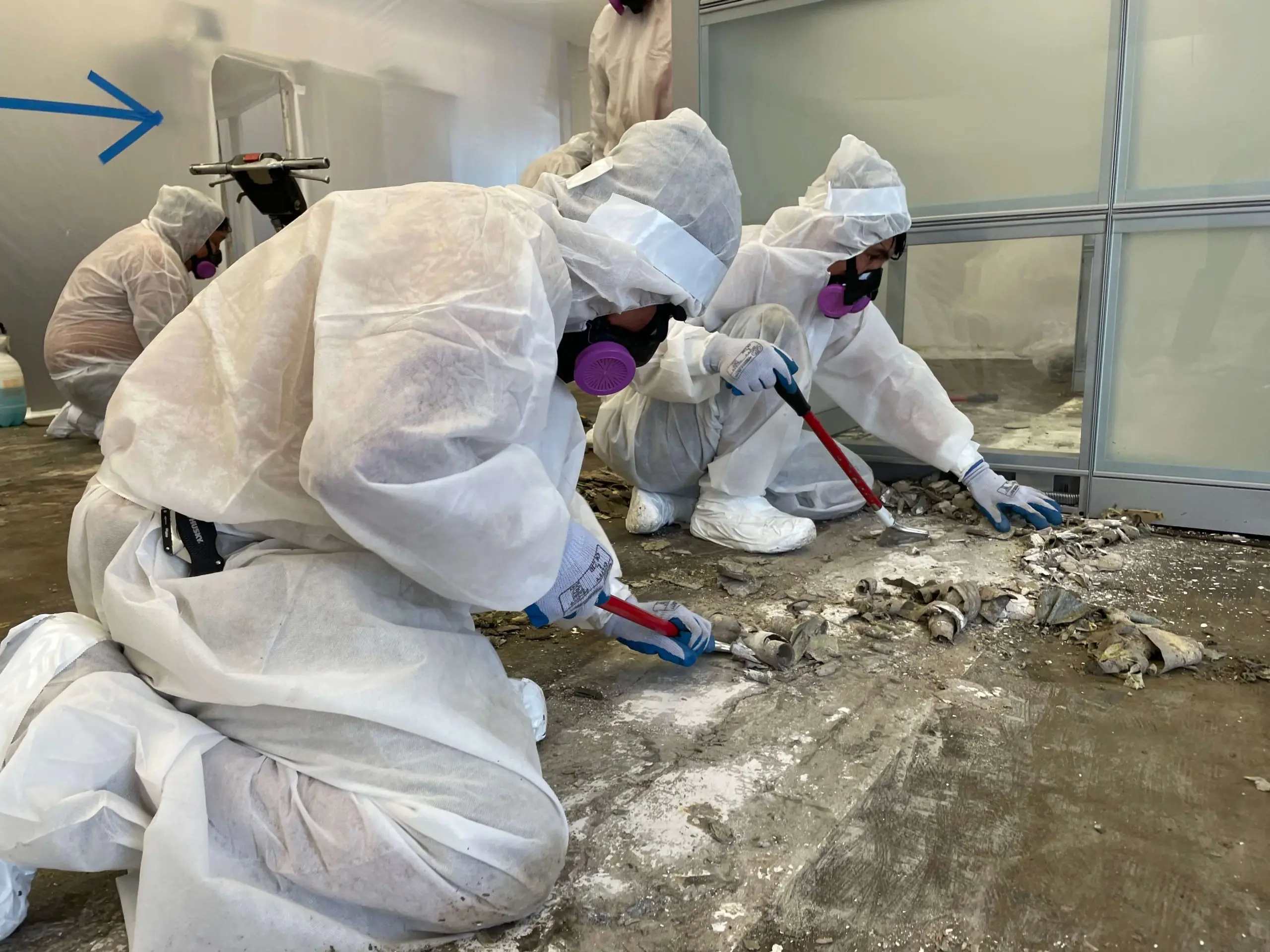
- Arrange professional abatement: If the renovation will disturb asbestos-containing material, removal or other regulated abatement work may be necessary.
In New York, asbestos abatement must follow applicable state requirements. Work that requires licensed asbestos contractors cannot simply be handed to an ordinary remodeling crew.
Never ask a general contractor to remove suspected asbestos without first confirming that the work can legally be performed and that the contractor has the required qualifications.
What Can Happen If You Skip the Asbestos Survey?
Skipping an asbestos survey can create problems that are much harder to manage once construction starts.
1. Unexpected renovation delays
Your contractor may need to stop work while the material is evaluated and the proper procedures are arranged.
2. Unplanned expenses
Testing, specialist contractors, containment, removal, and disposal can add costs that were not included in your original renovation budget.
3. Possible exposure to airborne fibers
Cutting or breaking asbestos-containing materials without appropriate controls can release fibers into the work area.
4. Regulatory problems
Failing to follow applicable New York asbestos requirements can lead to enforcement issues and complications with the project.
5. Problems for future occupants
Improper handling can leave contamination in areas used by homeowners, tenants, workers, or other occupants.
A survey before construction gives you the opportunity to address these issues before they become bigger problems.
When Should You Schedule an Asbestos Survey?
Do not wait until demolition day. Arrange the survey while you are still planning the project.
Consider an asbestos survey if you are:
- Removing old flooring, ceiling tiles, or wall finishes.
- Remodeling a kitchen or bathroom in an older property.
- Replacing an older boiler, furnace, or insulated piping.
- Opening walls or ceilings for electrical or plumbing upgrades.
- Removing roofing or siding from an older building.
- Planning a full or partial demolition.
- Renovating a rental property or commercial building.
Tell the inspector exactly which areas your contractor plans to disturb. A survey needs to address the materials that could be affected by the proposed work.
What Should You Ask Before Hiring an Asbestos Inspector?
Before scheduling an inspection, ask a few practical questions:
- Is the inspector certified under New York State asbestos requirements?
- Will the survey cover every area affected by the proposed renovation?
- Will samples be collected where needed?
- Will the samples be analyzed by a qualified laboratory?
- Will you receive a written report explaining the findings?
- Can the report help your contractor understand which materials need further attention?
Also, ask whether the inspection covers only the planned work area or a larger portion of the property. The scope should match your project.
Do Not Confuse an Asbestos Survey With Asbestos Removal
These are two different steps.
An asbestos survey identifies suspected or confirmed asbestos-containing materials and documents the findings. Asbestos abatement involves the regulated removal, enclosure, or other approved handling of asbestos-containing material.
An inspector does not automatically remove asbestos simply because the survey identifies it. If abatement is necessary, you may need a separate licensed contractor and any required project monitoring, notifications, or clearance procedures.
Keeping these services separate helps you understand what your property needs and who is responsible for each stage.
Protect Your Renovation Before the Work Begins
A renovation should improve your property, not introduce a preventable health risk. If your New York home contains older flooring, insulation, ceiling materials, or other products that could contain asbestos, find out what you are dealing with before anyone starts cutting, drilling, or tearing things apart.
For homeowners across the Hudson Valley, Westchester, Rockland, Orange, and Dutchess County, early planning can help avoid unnecessary exposure, construction delays, and unexpected project costs.
Hudson Valley Environmental LLC provides fast, reliable, and affordable Lead Inspection Testing across the Mid and Lower Hudson Valley, NY. If your renovation project also requires lead testing, contact the team to discuss your property’s inspection needs and plan the next step before work begins.
Frequently Asked Questions
1. Is an asbestos survey required before renovation in New York?
New York generally requires an asbestos survey before renovation or demolition work, subject to specific regulatory exceptions.
2. What materials in older homes may contain asbestos?
Floor tiles, pipe insulation, ceiling materials, roofing shingles, siding, and certain wall compounds may contain asbestos.
3. Can I identify asbestos by looking at a material?
No. Asbestos cannot be reliably identified by appearance. A qualified inspector must collect samples for laboratory testing when confirmation is needed.
4. Is asbestos dangerous if left undisturbed?
Asbestos-containing materials in good condition may pose a lower risk when left undisturbed. Cutting, drilling, sanding, or breaking them can release harmful fibers.
5. What happens if an asbestos survey finds asbestos?
The inspector documents the findings and helps determine the next steps. Depending on the material and renovation plans, it may be left undisturbed, managed, or handled through professional asbestos abatement.
About the Author

Dov Ber Kahn
Senior Consultant & Inspector
Dov Ber Kahn brings years of experience in property inspections, helping homeowners and buyers identify potential problems before they become costly surprises. His work includes evaluating residential and commercial properties throughout New York, with a focus on providing accurate, practical, and reliable inspection information that helps clients make informed decisions.